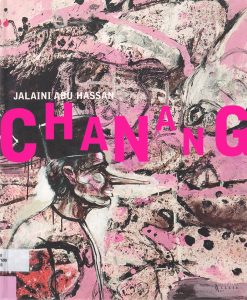
Jalani Abu Hassan
Chanang
With Chanang, Jalaini Abu Hassan (“Jai”) made a radical new approach to his painterly stage. It is marked by a powerful engagement with narrative and the emergence of figure at its centre.
In this series of paintings, Jai explored the limits of permissible Malaysian images, i.e. the division between the halal and the haram, a discourse that defines the Muslim-dominated society of Malaysia generally, and also its art history. In the present series of paintings, Jai—who first made waves on the Malaysian art scene with his charcoal explorations on the equally controversial topic of bomohs and Malay superstition—turns to popular motifs of haramness in Malaysia, including sex, corruption, and the ever inflammatory matter of babi (pigs).
Disgust comes into play and the subjects are more specific than in previous series of paintings, drawing from recent social issues in Malaysia’s fervid political climate. Flying pigs, parched rice fields, and dour-faced politicians make their irreverent entry into Jai’s pictorial vocabulary as the artist wrestles with the uncertainty of the times. His narratives blend elements of traditional Malay and modern global culture, creating juxtapositions that explore the antagonism and disquietude between the two models of living as his subjects articulate the conflicting values that make up contemporary Malaysian experience.