Green Zeng
Malayan Exchange: Studies of Notes of the Future
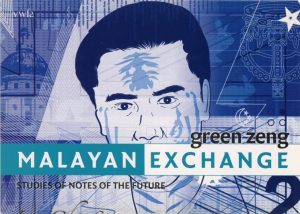
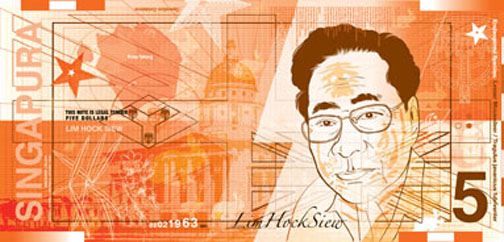
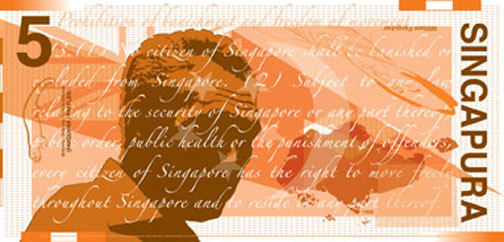
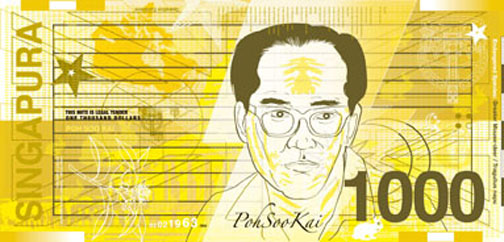
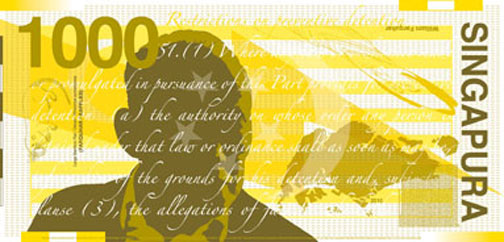
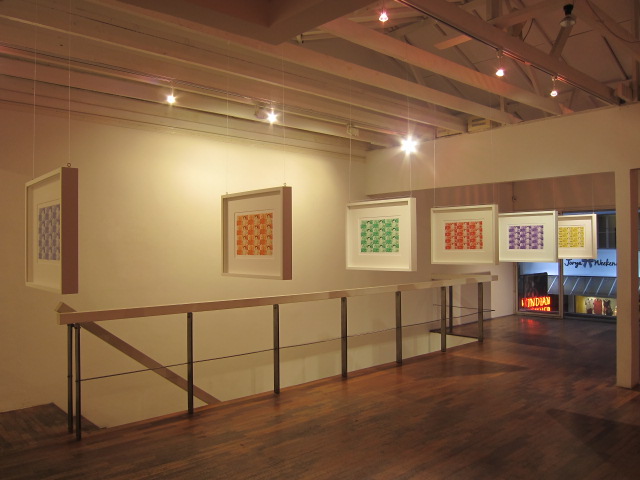
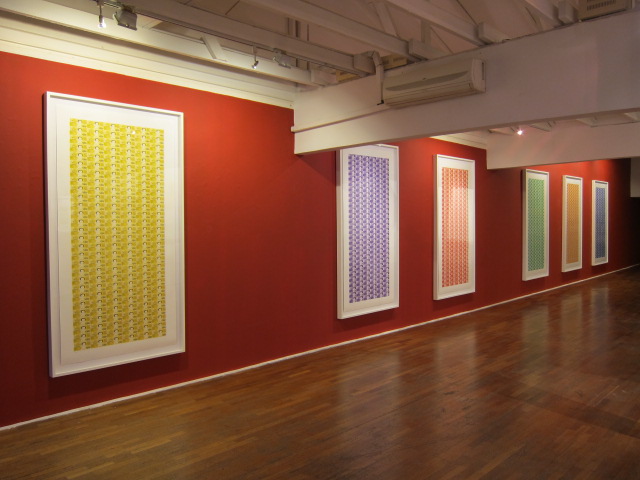
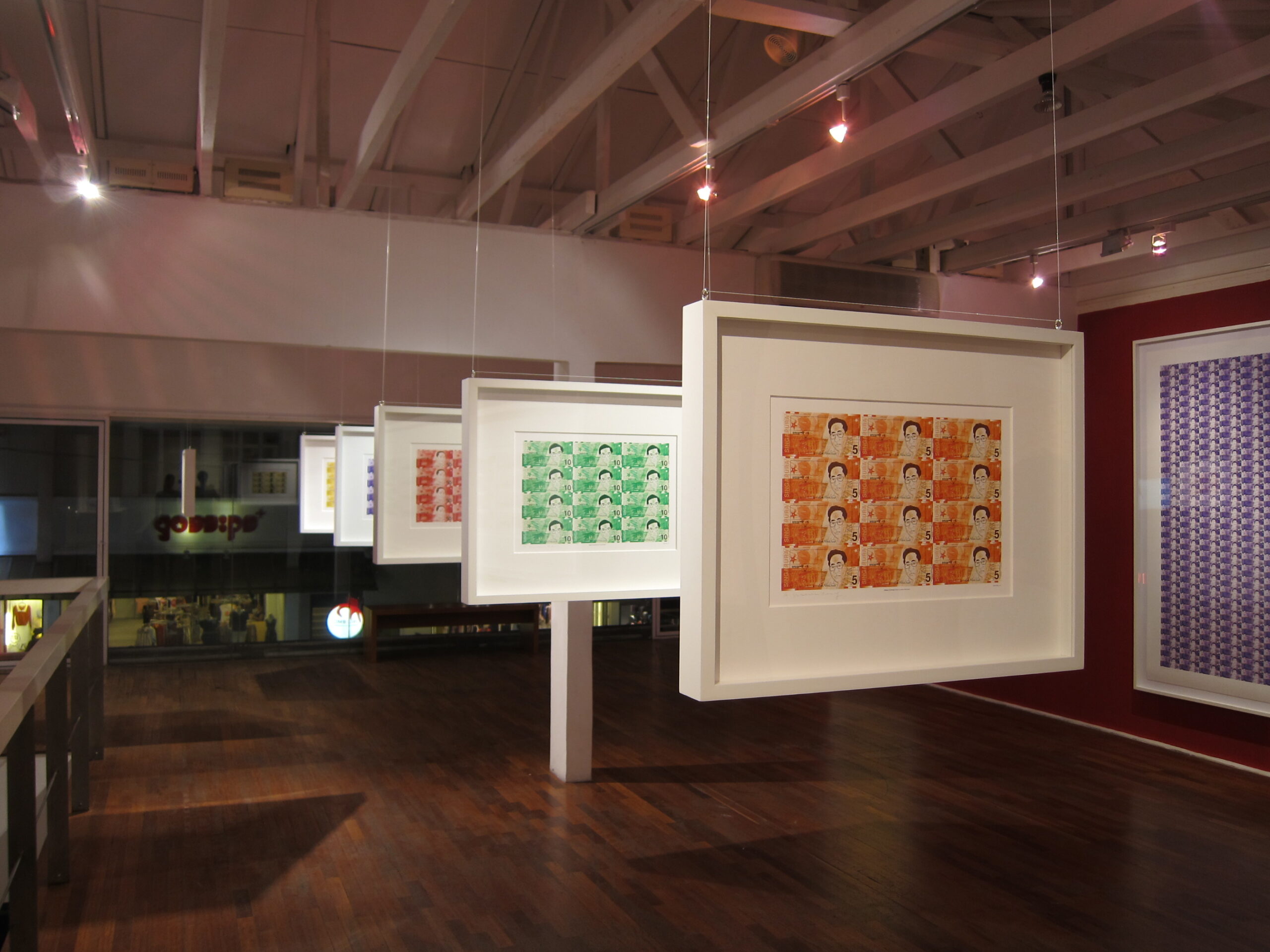
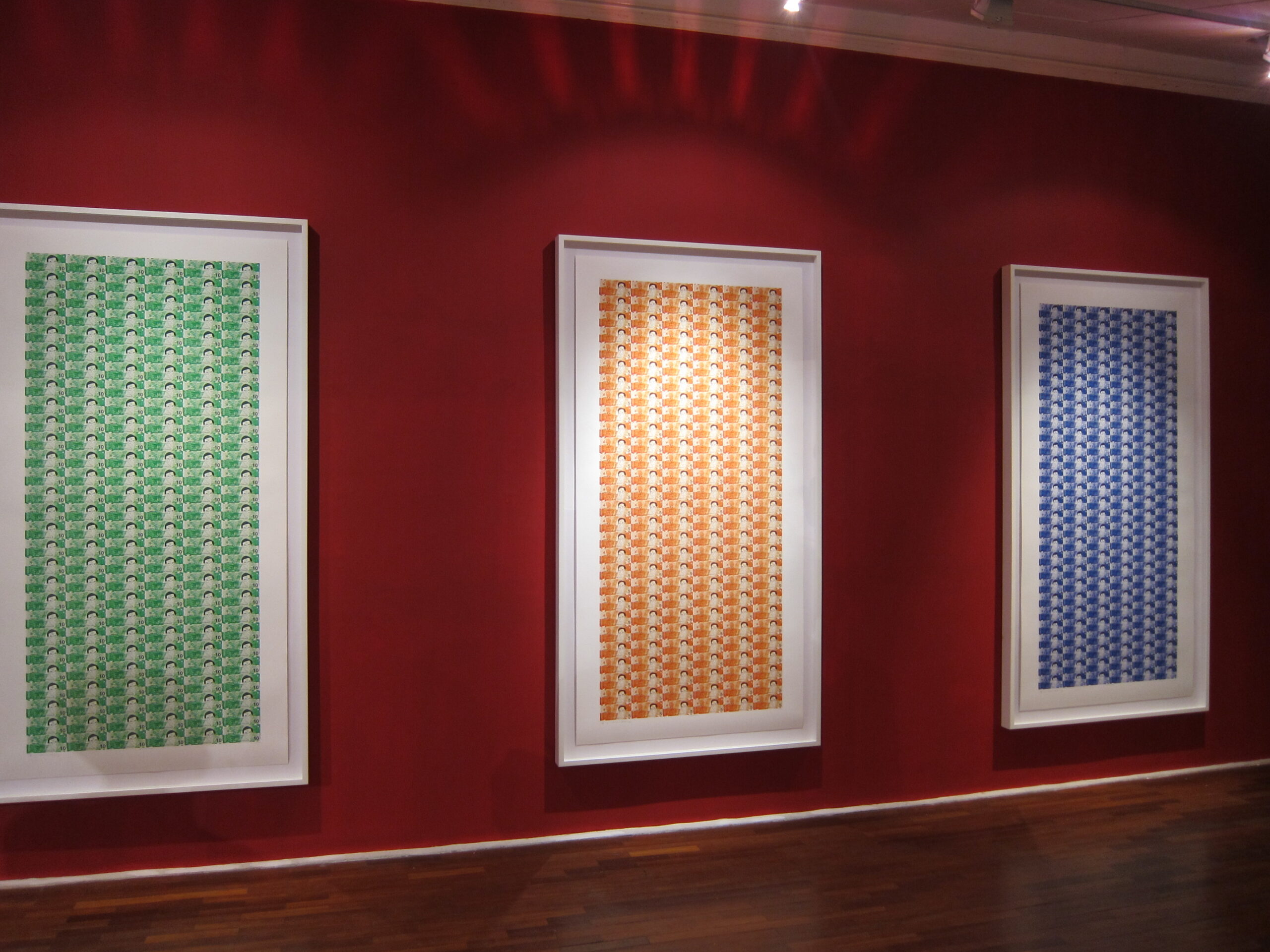
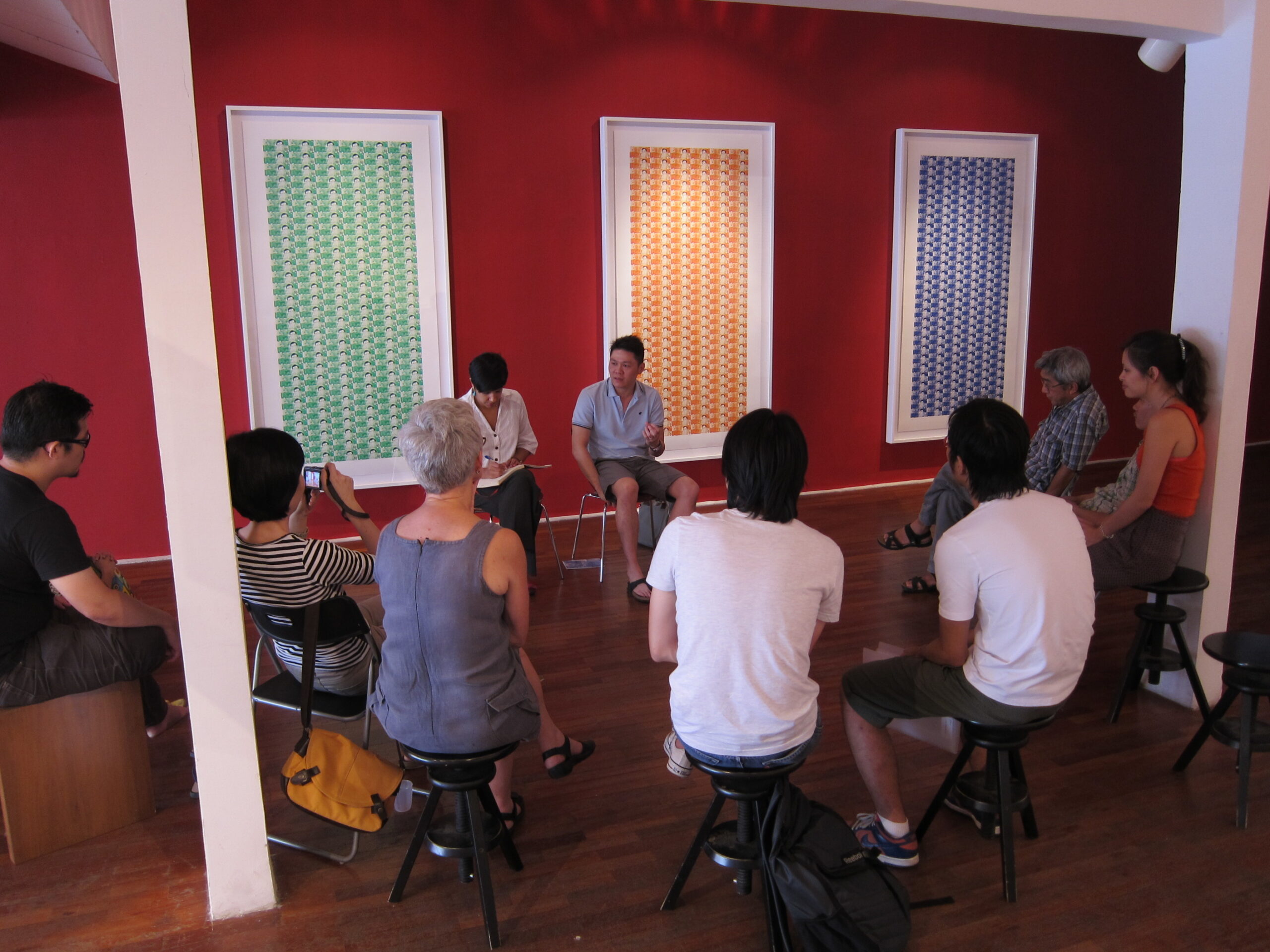
Malayan Exchange: Studies of Notes of the Future by Singaporean artist Green Zeng presented by VWFA Kuala Lumpur presents six designs of computer generated digital prints of re-imagined Singaporean currency. Featuring images of forgotten activists and politicians, important buildings, maps, flags, natural history drawings, poems and significant dates and texts the exhibition attempts to revive invisible histories to contemplate the state of the nation through the shifting lenses of past, present and future sensibilities. The project travels from VWFA Singapore where it was presented earlier in the year in The Arts House Gallery that activated the historical nature of building, a former site of Parliament. Re-sited within a Malaysian context Zeng’s work aims to provoke conversations on Malaysia and Singapore’s shared histories before Singapore became an independent state in 1965 as well as ideas on national narrative making.
Money although worthless in itself functions as a system of exchange values for physical and virtual acquisition and investment. It is also a tangible object of paper notes and metal coins handled on a daily basis by almost every citizen of its represented country. However, despite its relationship to wealth and poverty, currencies also have a system of images ideologically exchanged on a daily basis. Encoded with a series of symbols, designs, pictures and text, money is a reminder of national heritage, social values and political doctrine. These signs form complex visual dialogues that actively and subconsciously ingrain themselves into the collective psyche to propagate particular versions of history and identity. Green Zeng describes history as shattered vessel of clay that is picked up and reconstructed. The artist takes inspiration from why certain fragments are not selected for public consumption. The images he creates, rich with details and layering then act as triggers of memory to retrieve, re-present and re-imagine history for viewers to make their own conclusions about the past.
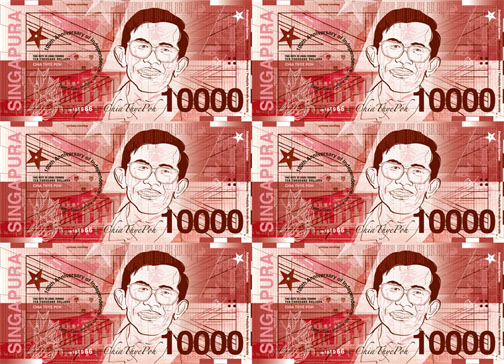
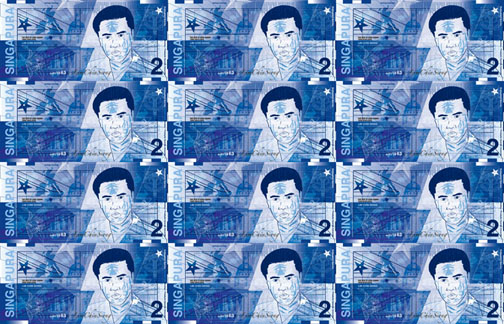
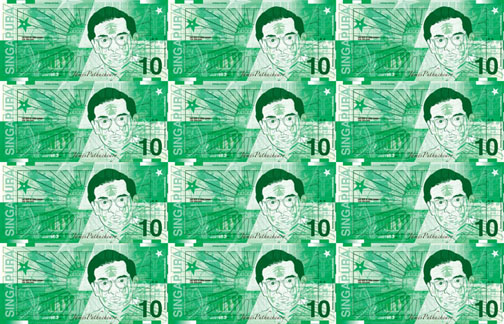
Six denominations of alternative Singaporean currency ($2, $5, $10, $50, $100 and $1000) have been printed in various configurations of repetition in the gallery. On the front of the notes are portraits of left-wing unionists, politicians and journalists who played active roles in the anti-colonial and pro-independence movement in the earlier years of a fledgling nation. Often relegated to the backwaters of historical significance contemporary and younger audiences may question the identities of James Puthucheary, Lim Chin Siong, Fong Swee Suan, Poh Soo Kai, Said Zahari and Lim Hock Siew. What would Singapore have been like if the Barisan Socialists led by Lim Chin Siong had come to power in the general election of 1963? The arrest and detention of many BS leaders during Operation Coldstore of the same year has left this to pure speculation.
Zeng’s carefully constructed and interwoven symbols create a sense of curiosity that encourages viewers to uncover clues about Singapore’s history and identity. By presenting an alternative type of exchange, the exhibition present the possibilities of Art as a starting point for dialogues on the processes of nation building.