Chang Fee Ming
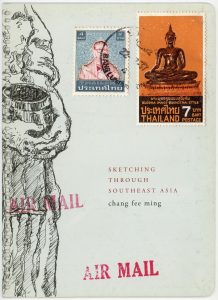
Sketching Through Southeast Asia
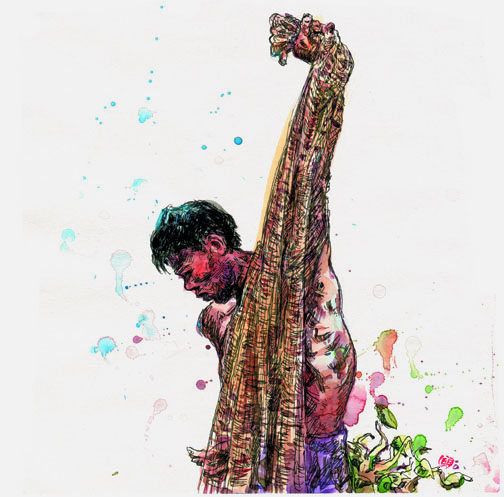
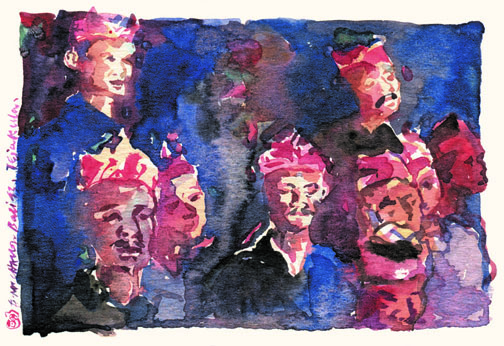
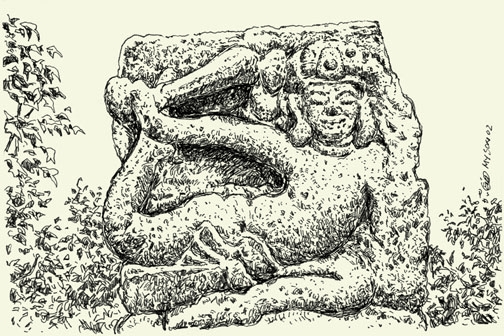
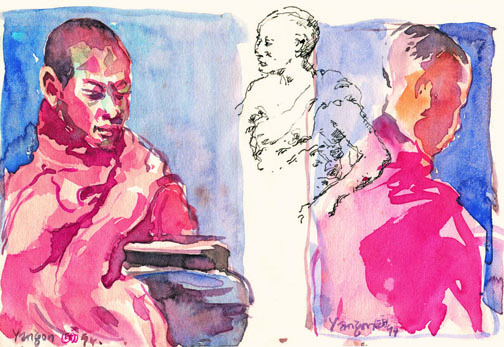
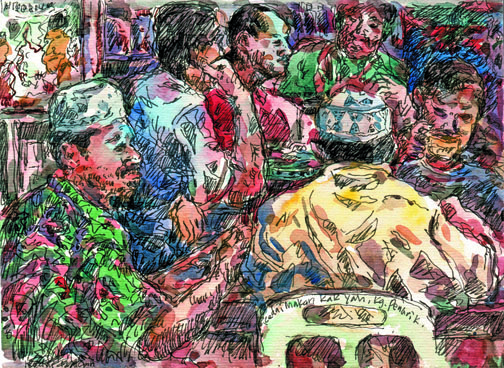
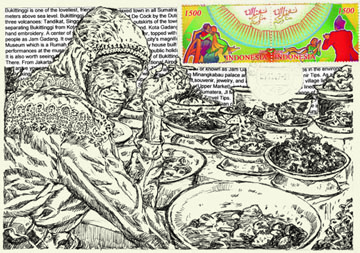
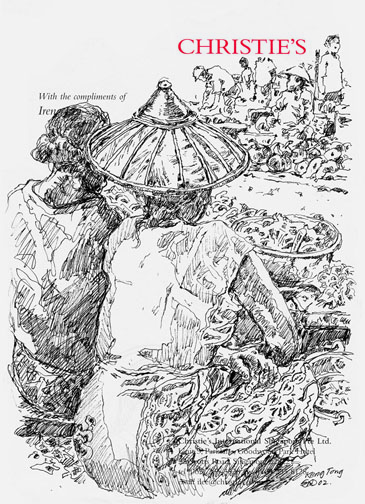
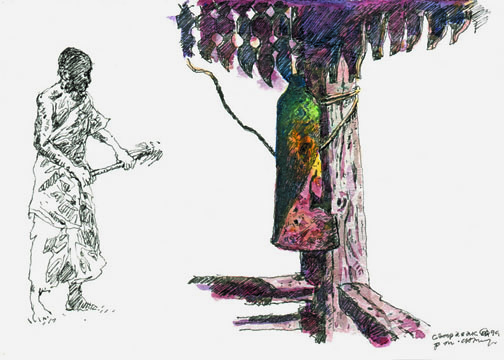
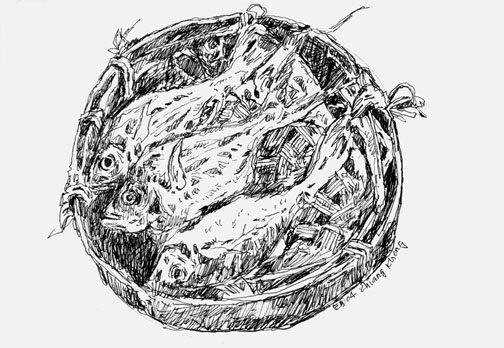
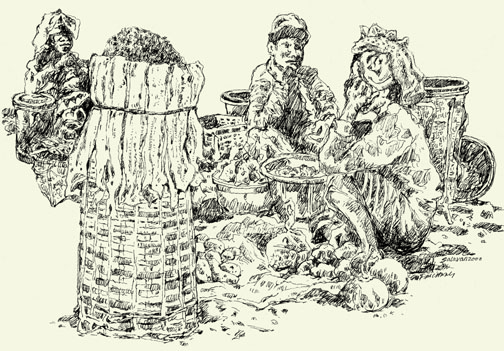
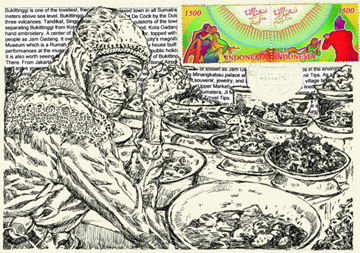
Valentine Willie Fine Art is delighted to announce the launch of Chang Fee Ming’s latest publication of his travel sketches, Sketching Through Southeast Asia. In conjunction with the launch, an exhibition of Chang Fee Ming’s sketches, accumulated from his twenty years of travelling across the region, will be held at the gallery from 21 July to 14 August 2010.
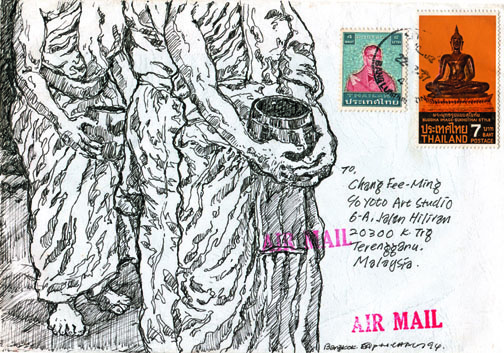
Sketching Through Southeast Asia tells a different story about Southeast Asia than the dominant narrative that has largely preoccupied itself with the region’s modernity, urbanisation and economic growth.
As a collection of sketches, it demonstrates Chang Fee Ming’s insatiable appetite for travelling and recording the realities that are increasingly threatened by the homogenising forces of modernity and his sympathy towards our cultural inheritance and traditional ways of life.
Sketching Through Southeast Asia is not a lamentation of vanishing worlds but a commitment to the spirited yet unassuming courage of the ordinary people of Southeast Asia. It draws from them a lesson about other models of living, other ways of relating to one’s environment as well as one another.
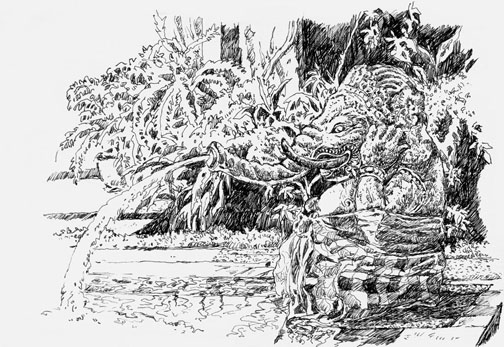
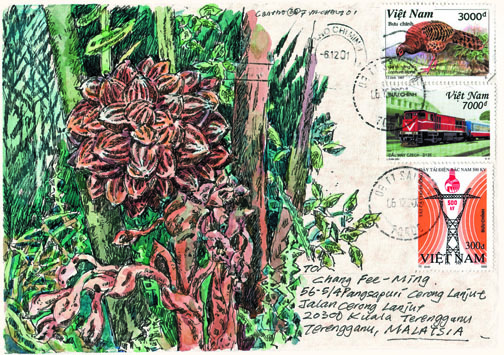
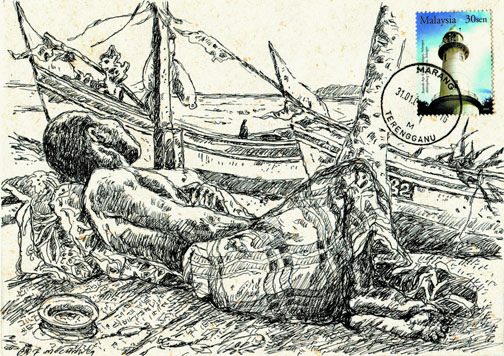
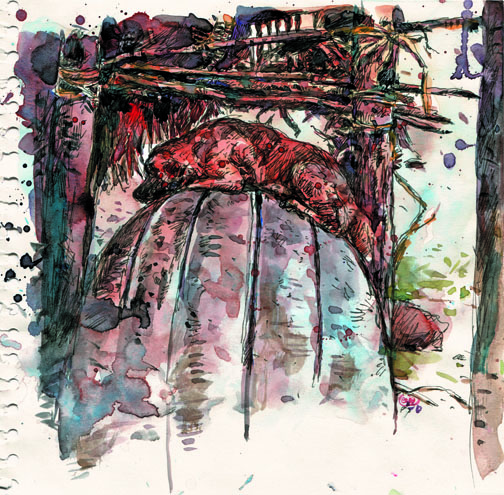
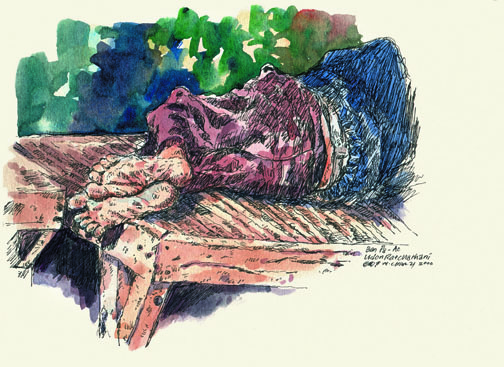
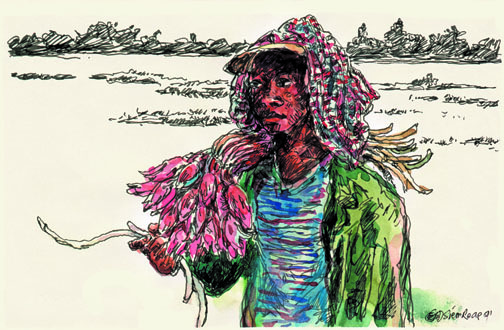
The book divides the artist’s travel into five easy to follow categories: Market and Meeting Place, Culture and Tradition, Work and Livelihood, Rest and Leisure, Garden and Landscape. From the fishing coasts of the Nusantara to the farming communities of Indochina, this body of sketches illustrates the complex socio-cultural make up of the region and once again proves Chang Fee Ming’s artistic versatility as Malaysia’s unrivalled contemporary watercolourist.
In Sketching Through Southeast Asia, Chang Fee Ming utilizes the medium of the visual journal to construct a “different story” about the region, intentionally diverging from dominant narratives preoccupied with urbanization, economic development, and modernity. The collection of sketches serves as a record of realities and cultural inheritances that are increasingly threatened by the “homogenising forces of modernity”. For Chang, the act of traveling and painting is not merely an aesthetic pursuit but a “way of learning” and a central “life philosophy”.
The work is characterized by an acute attention to detail and the “quiet small things” that define regional life, such as the daily placement of offerings in the holy corners of homes in Bali. Rather than offering a “lamentation of vanishing worlds,” the publication highlights the “spirited yet unassuming courage of the ordinary people of Southeast Asia”. By documenting these “other models of living” across landscapes like Vietnam and Ubud, the project positions the artist-traveler as a witness to a resilient, pluralistic traditionalism that persists alongside the region’s rapid transformation.