
Group Exhibition
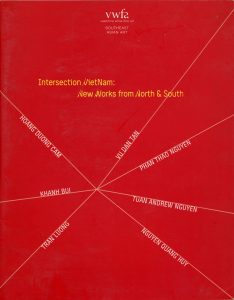
Intersection Vietnam: New works from North & South
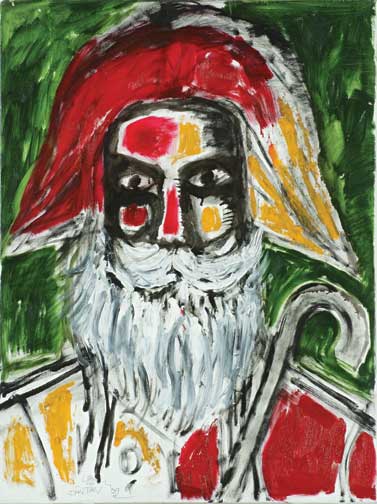
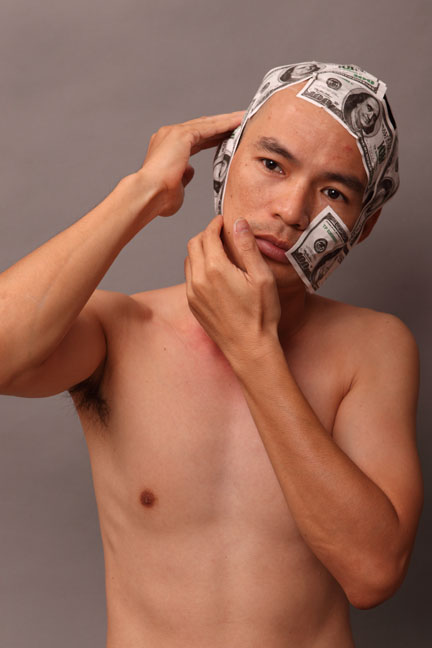
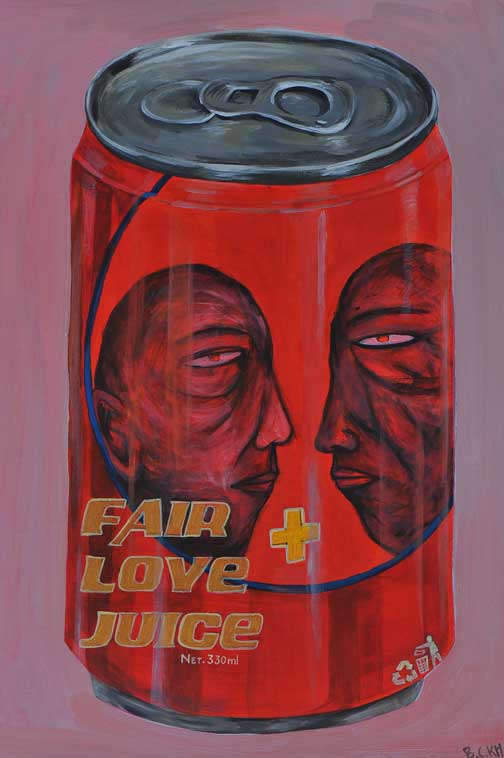
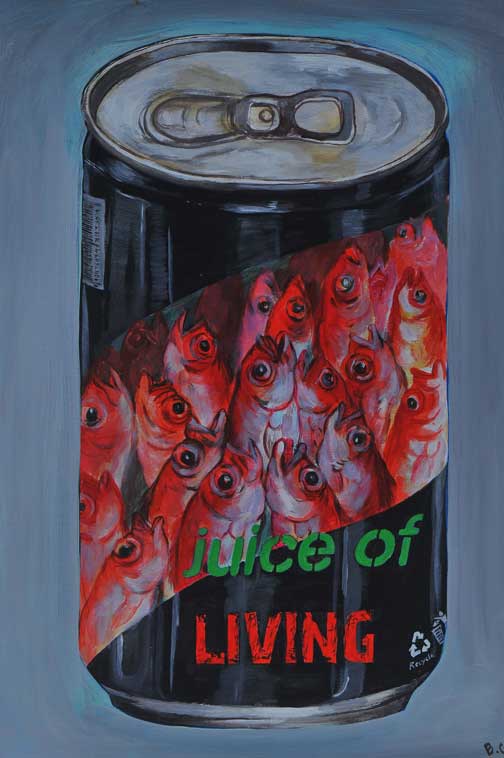
Valentine Willie Fine Art’s first foray into the world of Vietnamese contemporary, is to present the complex and interconnected realities of today’s Vietnam through the art of emerging talent as well as more established practitioners. This exhibition includes seven internationally exhibited artists at various stages of their career who through different media and formal strategies, all narrate Vietnam.
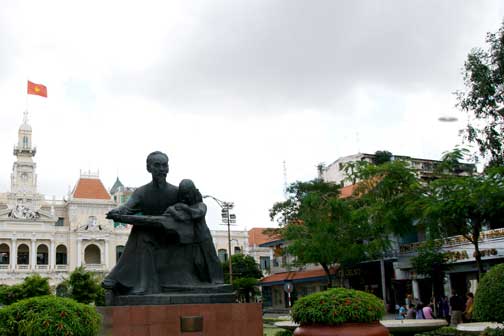
Curated by Iola Lenzi, Intersection VietNam functioned as a critical survey of the shifting conceptual terrain in Vietnamese contemporary art, nearly two decades after the implementation of doi moi (economic renovation). The exhibition framed the nation’s visual output as being inextricably linked to its fractured 20th-century history—navigating the ideological residues of French colonialism, the American War, and the North-South partition. Lenzi’s curatorial premise focused on how a younger generation of artists was moving beyond the “stasis” of state-sanctioned socialist realism toward more individualistic and multidisciplinary inquiries.
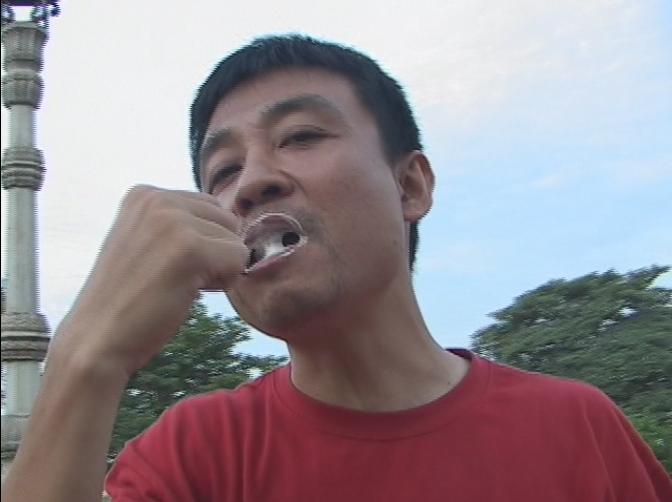
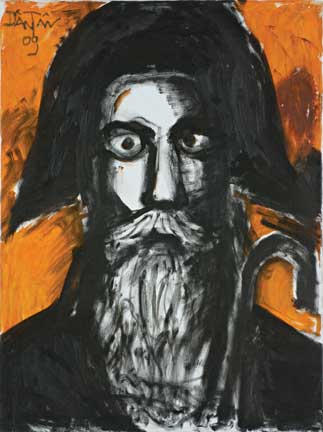
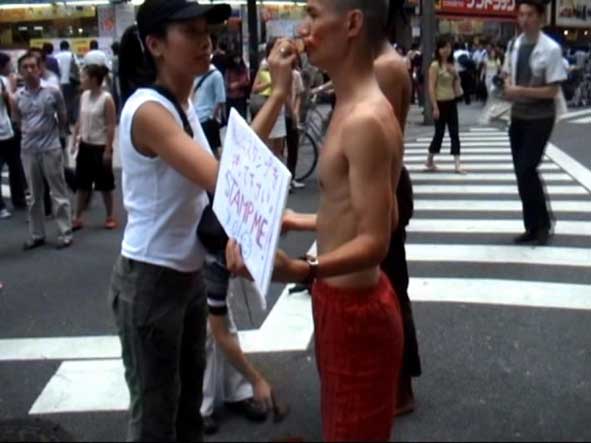
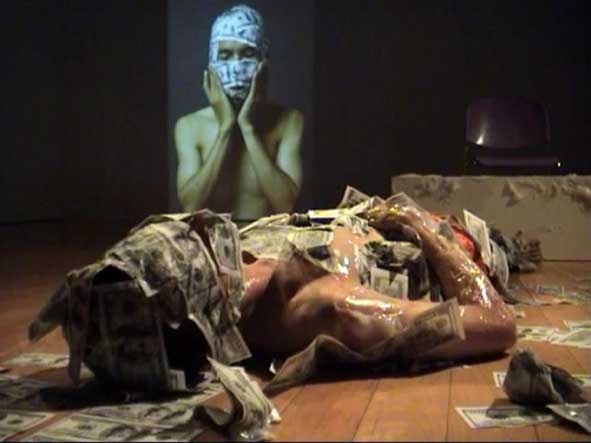
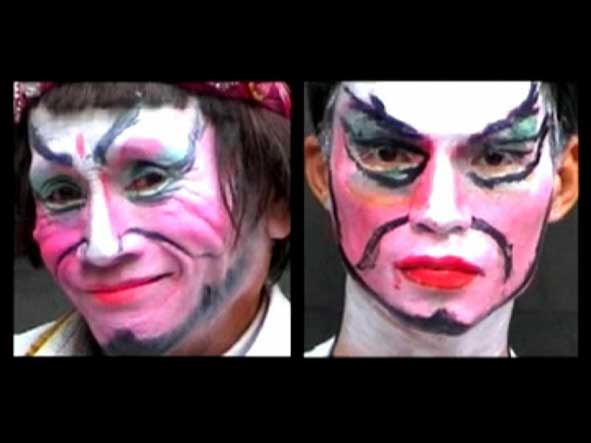
The exhibition highlighted a tension between collective memory and the pressures of a rapidly globalizing economy. Artists such as Tran Luong and the late Vu Dan Tan were positioned as pivotal figures who bridged the transition from pre-reform restrictions to contemporary experimentation; Tran Luong, in particular, utilized the body and performance-based documentation to interrogate political history and social conditioning. In contrast, the work of Tuan Andrew Nguyen and Hoang Duong Cam signaled a more cosmopolitan engagement with media, consumerism, and the commodification of historical narratives.
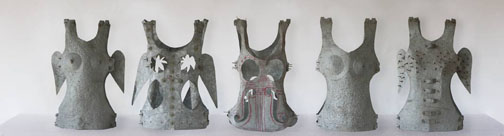
By bringing together practitioners from both Hanoi and Ho Chi Minh City, Intersection VietNam examined the “intersecting currents” of a national identity that remained in a state of flux. The works—ranging from Nguyen Quang Huy’s nuanced investigations of tradition to the emerging conceptual voice of Phan Thao Nguyen—suggested a move away from overt political messaging toward a more oblique, poetic critique of the present. Collectively, the exhibition argued for a Vietnamese contemporary practice that is defined not by a singular national style, but by a diverse range of responses to the country’s complex position within the Southeast Asian and global circuits.